

How to Navigate Used Airplane Sales Successfully When Buying Used Aircraft
Buying used aircraft can be a smart choice. It saves money and offers a wide range of options. However, the process can be complex. I will guide you through the key steps to make your purchase smooth and successful.
Understanding the Basics of Buying Used Aircraft
Before you start looking, you need to know what you want. Define your mission profile. Ask yourself:
What type of flying will I do? (e.g., short trips, long hauls, training)
How many passengers do I need to carry?
What is my budget for purchase and ongoing costs?
Once you have clear answers, you can narrow down your choices. Research different aircraft models that fit your needs. Look at their performance, maintenance costs, and availability of parts.
Next, consider the aircraft’s history. A well-maintained plane with a clear logbook is more valuable. Check for any damage, accidents, or major repairs. This information helps you avoid surprises later.
Steps to Take When Buying Used Aircraft
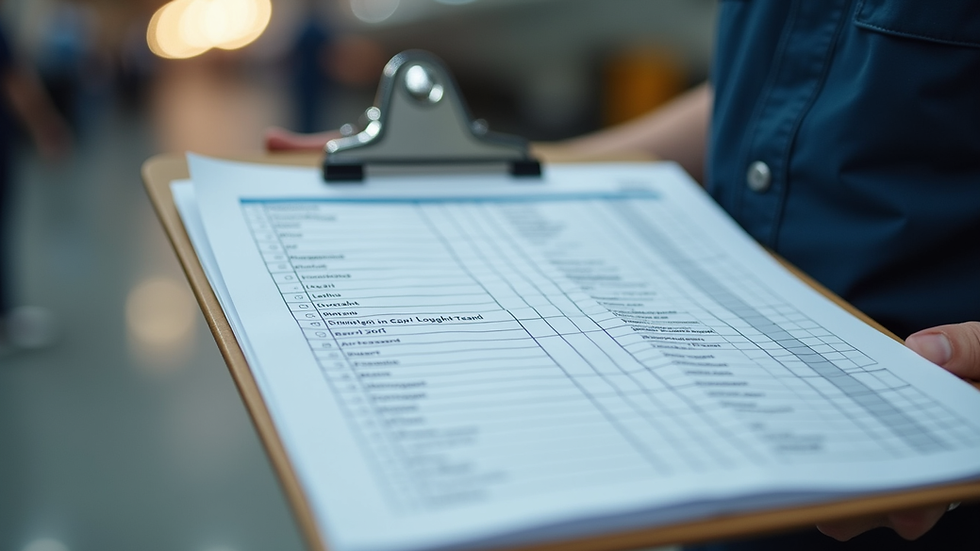
Buying a used plane involves several important steps. Follow this checklist to stay organized:
Find a reputable seller or broker. They can help you find aircraft that meet your criteria.
Request detailed records. Maintenance logs, inspection reports, and ownership history are essential.
Arrange a pre-purchase inspection. Hire a qualified mechanic to inspect the aircraft thoroughly.
Review the inspection report carefully. Look for any issues that may require repairs or affect value.
Negotiate the price based on findings. Use the inspection results to support your offer.
Verify the title and registration. Ensure the seller has clear ownership and the plane is free of liens.
Complete the sale with proper paperwork. Use a bill of sale and transfer registration with the FAA.
Plan for insurance and ongoing maintenance. These costs are part of owning an aircraft.
Taking these steps reduces risks and helps you make an informed decision.

Evaluating Aircraft Condition and Value
The condition of the aircraft is the most critical factor. Here are some key areas to evaluate:
Airframe and structure: Look for corrosion, cracks, or signs of damage.
Engine and propeller: Check hours since overhaul and any unusual noises or leaks.
Avionics and instruments: Ensure all systems work correctly and are up to date.
Interior and exterior: Assess wear and tear, upholstery condition, and paint quality.
Use the inspection report to identify any upcoming maintenance or repairs. This will affect the aircraft’s value and your budget.
To determine a fair price, compare similar aircraft on the market. Use online databases and consult with experts. Remember, a lower price may mean higher maintenance costs later.
Financing and Legal Considerations
If you need financing, start by exploring loan options. Many lenders specialize in aircraft loans. They will require detailed information about the plane and your financial situation.
Understand the legal aspects of the sale. The FAA requires proper registration and title transfer. You may also need to comply with state and local regulations.
Consider hiring an aviation attorney or consultant. They can review contracts and ensure all legal requirements are met.
Tips for a Smooth Transaction
To avoid common pitfalls, keep these tips in mind:
Be patient. Don’t rush the process. Take time to gather information and inspect the aircraft.
Ask questions. Clarify any doubts with the seller or your mechanic.
Get everything in writing. Verbal agreements are not enough.
Use a checklist. Track each step to avoid missing important details.
Plan for post-sale support. Find a maintenance provider and join owner groups for advice.
By following these guidelines, you can navigate the complexities of used airplane sales with confidence.
Moving Forward with Confidence
Buying a used aircraft is a big decision. It requires careful planning and attention to detail. By understanding the process, evaluating the aircraft thoroughly, and handling legal and financial matters properly, you can make a smart investment.
Remember, the goal is to find a plane that fits your needs and budget while minimizing risks. Use the resources available and seek professional help when needed.
With the right approach, you will enjoy the benefits of aircraft ownership and safe flying for years to come.


Comments